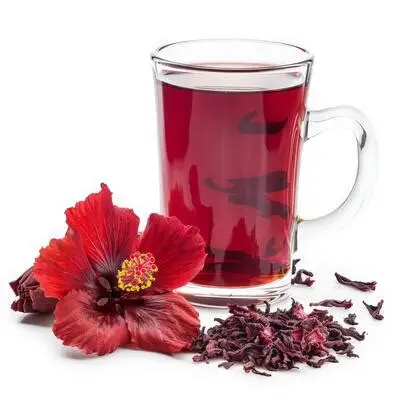
Hibiscus offers multiple health benefits, including lowering blood pressure, supporting heart and liver health, and providing antioxidants, but it can also cause side effects and interact with medications.
- Blood Pressure Management: Hibiscus is well-studied for its ability to lower both systolic and diastolic blood pressure. Its effects are partly due to mild diuretic properties and antioxidant compounds that help relax blood vessels, making it beneficial for people with mild hypertension.
- Cholesterol and Heart Health: Regular consumption may reduce LDL (“bad”) cholesterol by about 6.9% and improve HDL (“good”) cholesterol, supporting cardiovascular health.
- Weight Management: Hibiscus extract has been shown to reduce body weight, BMI, body fat percentage, and waist-to-hip ratio by influencing fat metabolism at the cellular level.
- Liver Support: Hibiscus may help maintain liver health by improving enzyme levels and preventing fat accumulation in the liver.
- Antioxidant and Anti-inflammatory Effects: Rich in anthocyanins, flavonoids, and polyphenols, hibiscus protects cells from oxidative stress and reduces inflammation.
- Blood Sugar Regulation: Animal studies suggest hibiscus may help lower blood sugar levels, though more human research is needed.
- Other Benefits: Hibiscus may act as a natural diuretic, support immunity, promote healthy skin, and potentially prevent kidney stones.
Potential Dangers and Side Effects
Blood Pressure Drop: People with already low blood pressure or those on antihypertensive medications should be cautious, as hibiscus can lower blood pressure too much.
- Blood Sugar Effects: Those taking diabetes medications should monitor blood sugar, as hibiscus may enhance glucose-lowering effects.
- Allergic Reactions: Rare cases of dermatitis, headaches, nausea, or ringing in the ears have been reported.
- Pregnancy and Fertility: Hibiscus may stimulate uterine contractions and is not recommended during pregnancy. Some animal studies suggest potential effects on fertility.
- Drug Interactions: Hibiscus can interact with medications for blood pressure, diabetes, and certain anti-inflammatory drugs.
- Other Considerations: Excessive consumption may affect liver enzymes, cause dizziness, or stain teeth due to its acidity and deep color.
Safe Usage
For most healthy adults, 1–3 cups of hibiscus tea per day is considered safe. Quality and active ingredient content can vary between products, so standardized extracts or teas are recommended. People with specific health conditions or on medications should consult a healthcare provider before regular use.
In summary, hibiscus is a nutrient-rich herbal remedy with proven cardiovascular, liver, and antioxidant benefits, but it should be consumed with caution in certain populations due to its potential side effects and interactions.
Sources:
https://scienceinsights.org/what-is-hibiscus-good-for-benefits-and-side-effects/
https://myhealthopedia.com/hibiscus-tea-benefits-side-effects-dosage-uses/
https://www.webmd.com/vitamins-and-supplements/hibiscus-uses-and-risks
https://dailyhealthleaf.com/hibiscus-tea-side-effects/